Pilsa attends the “Ambiente” trade fair in Frankfurt

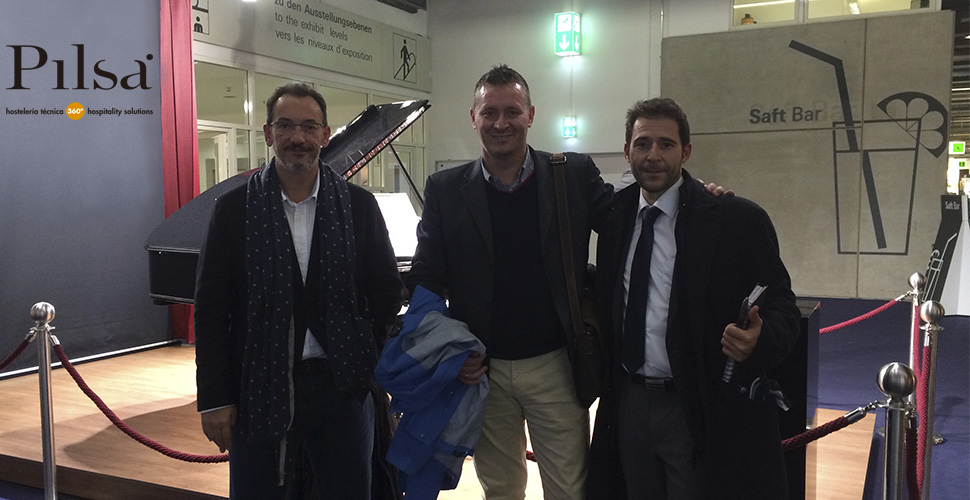
Pilsa attended from February 12 to 17 to the Houseware Fair in the German city of Frankfurt, where we have been able to check the novelties of the sector, negotiate conditions with current suppliers for the different destinations where Pilsa has Delegation, solve incidents that arose during the past year, close distribution agreements with potential suppliers, as well as lay the foundation stone of new designs to be developed with suppliers for our supplies. The meeting was attended by Salvador García (Delegate of the Caribbean Zone), Miguel Ángel López (Director of the Houseware Division) and José Manuel Rovira (Purchasing Director).

Undoubtedly, it is essential for us to be present at this type of events, to keep up to date with everything that is happening in the sector and to be able to continue to evolve and grow as we have done so far.

Pilsa performs the first installation for the Hyatt Hotel Chain

In Pilsa we continue with our international expansion, this time with the installation for its first hotel for the hotel chain Hyatt. This new project has been carried out on the island of Jamaica and will become the third hotel we have equipped on the island. With this new installation we continue to consolidate the international growth strategy of the brand.

Pilsa: first collaborator of Granada C.F. in its solidarity project “Hijos del fútbol”.

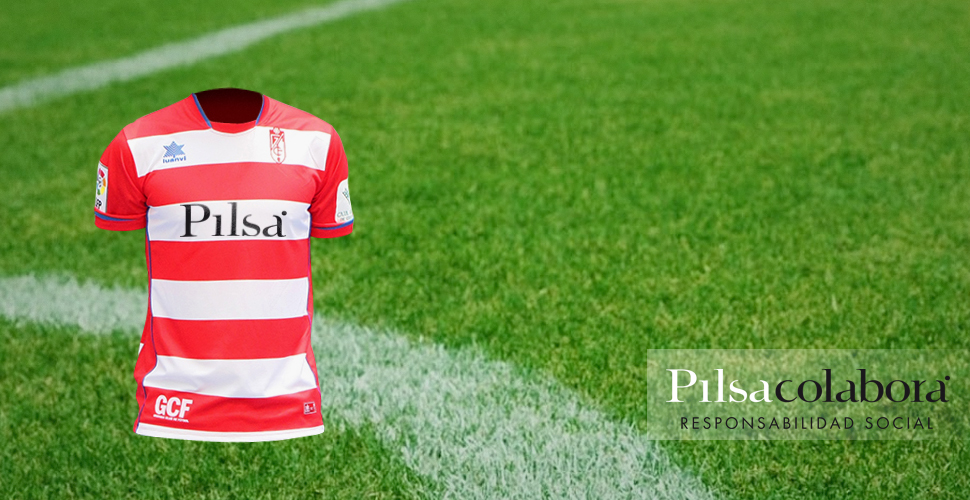
In Pilsa, through our CSR, we are committed to being the first collaborator of the solidarity project Children of Football that Granada CF is launching. A project that aims to help hundreds of people from Granada who suffer discrimination and social rejection just for having a family member in prison. For this, Granada CF has created Hijosdel fútbol, a solidarity project focused on those who suffer the most from this marginalization: the children of prisoners.

To this end, last Saturday, January 18, the shirts used by the team in the BBVA league championship match against Osasuna bore our brand and the cost of this presence will go entirely to this solidarity project.

Pilsa Educa: hotel and catering school for professionals in Granada

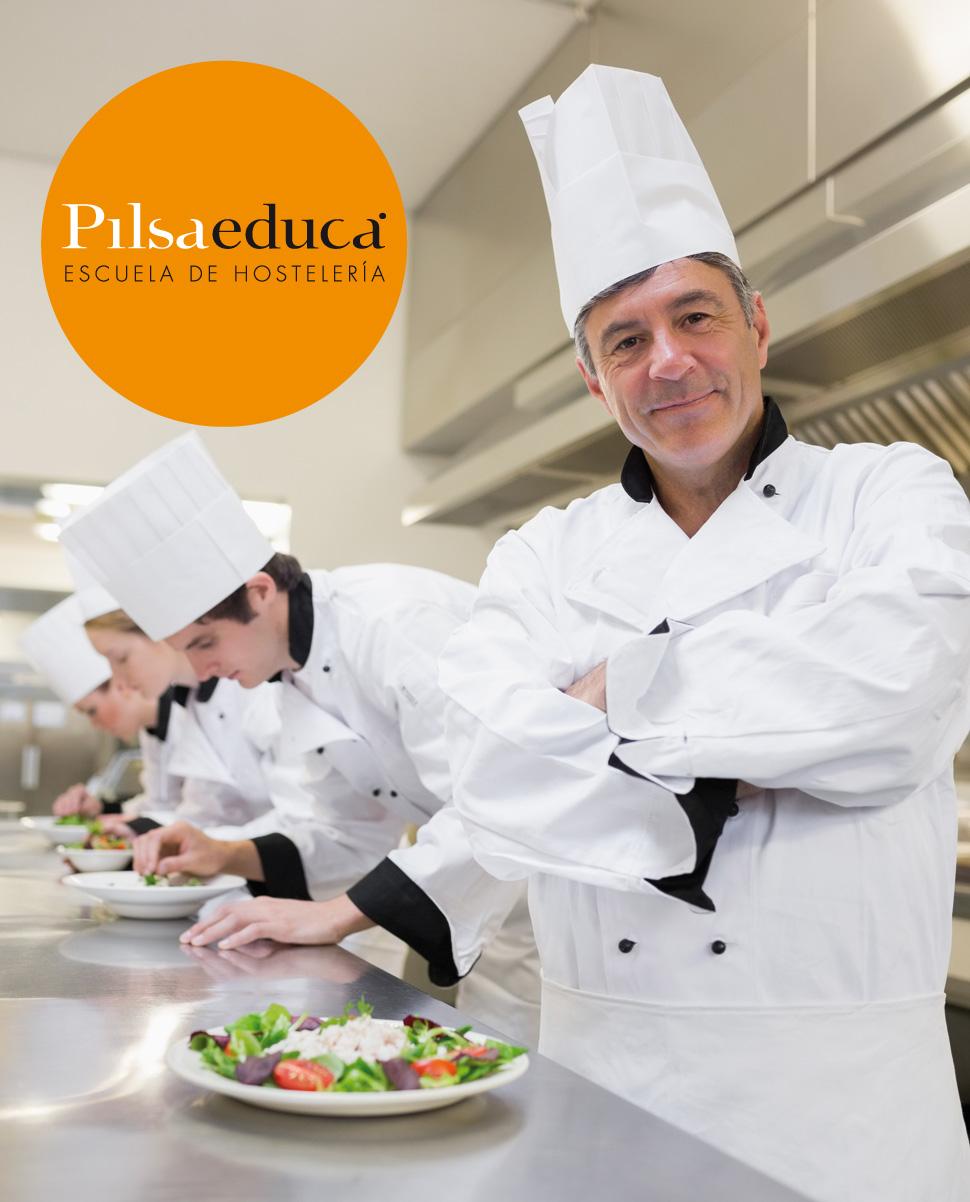
Our Pilsa Educa CSR project is one of the most important bets we have made under our brand. As our natural environment, the kitchen is the environment we know best from a technical point of view; but after half a century of experience, what happens in it, as well as the chefs for whom we manufacture our most emblematic products, have also become part of our interests.

Pilsa Educa offers training to professionals from all areas of the hospitality industry. At the head of our courses, also professionals of the sector, specialized in different areas and topics, who will come to share their knowledge in different formats: master classes, long or medium duration courses or specialized programs. Our main headquarters are in Granada, in the facilities of our head office, although the Pilsa showroom in Marbella will also host some of our training initiatives.

Everything you need to know, at www.pilsaeduca.com

Types of dishes and materials you can use in your restaurant

Looking for quality dishes made of a durable material that is easy to maintain on a daily basis? Depending on your establishment and the dishes you serve, you may need different materials or types of dinnerware. Here are some tips for choosing the right dinnerware.

What type of dish to choose according to the different meals you offer

✔︎ Presentation plates: with an approximate diameter of 30 cm, they are used to present main dishes or when a large capacity is needed. They can also be used as table decoration, to contrast and enhance smaller dishes.

✔︎ Deep plates: they are generally placed on a serving dish. They can be made of porcelain, stoneware or ceramic. The important thing is to choose a heat-resistant material. Nowadays there are many different shapes: round, square, octagonal, etc.

✔︎ Dessert plates: smaller than a standard plate, they have a diameter of approximately 20 cm. They are used to present cakes and pastries, but also serve as starters.

✔︎ Pasta plates: they are deep plates that usually measure 26 cm in diameter. Perfect for serving pasta, but also for risottos, meats in sauce, etc.

✔︎ Pizza plates: at 33 cm in diameter, they were designed for the size of pizzas. Flat plates, sometimes with a small rim to prevent the pizza from slipping, are usually white and made of a durable, easy-to-clean material.

✔︎ Bread plates: these are the smallest plates, along with the saucer. They are placed next to the fork on the table and can also be used to spread butter on bread. In some restaurants, they also serve as cheese plates.

Different materials for restaurant dishes

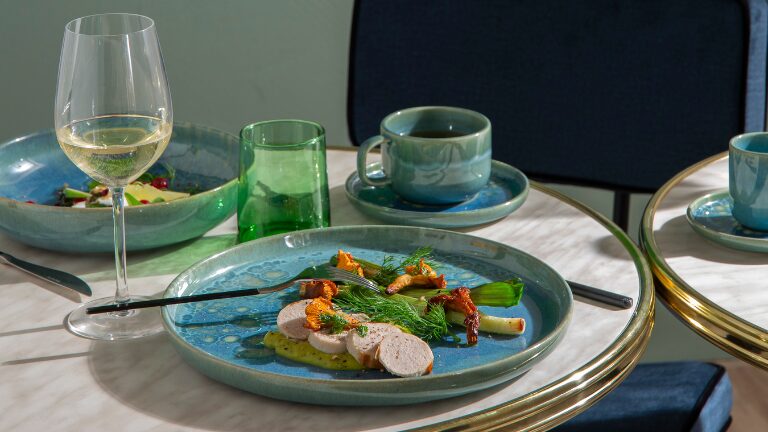
✔︎ Porcelain: this is the most common material when choosing plates for a restaurant. There is a wide variety of designs and it offers several advantages. Whether fine, white or patterned, it adapts to any environment.

✔︎ Stoneware: particularly appreciated by restorers, stoneware is a durable material that resists wear and scratches. Although heavier than porcelain, it adds a natural touch to the table. It is available in a wide variety of shades for added originality.

✔︎ Earthenware: this is the most economical ceramic. However, when using it, you may notice that the glaze begins to peel off the dishes. It is a relatively fragile material.

✔︎ Tempered glass: can be used intensively. Resistant, a tempered glass plate is ideal, for example, for a grill or a restaurant with a cozy atmosphere. Among its advantages, it keeps dishes at the right temperature during service.

✔︎ Enameled steel: this material is light, durable and unalterable. Pleasant to use, it brings a vintage touch to restaurant tables. Its advantages include maintaining the temperature of the dishes thanks to its thermal conductivity and its long life.

✔︎ Melamine: this material has the great advantage of being unbreakable. Lightweight and durable, it is often used for dinners on terraces or buffets. It is also the perfect material for barbecues or children’s birthday parties.

✔︎ Wood: a natural material, increasingly used in restaurant tables, especially in haute cuisine. It enhances colorful creations with vegetable elements as protagonists.

Note: the main difference between ceramic (such as earthenware) and porcelain lies in its resistance. A ceramic dish tends to chip more easily than a porcelain one, which lasts a long time despite intensive use. There is even a type of porcelain known as “hotel” that is particularly resistant.

How to properly care for your porcelain dishes?

Shocks are the main enemy of porcelain. Handle your dishes with care when setting the table and serving. When cleaning, avoid excessively high temperatures, even in the dishwasher. Ideally, wash porcelain dishes in lukewarm water. Adding a little bleach can help remove yellow stains before rinsing and rewashing with soap. Always dry them with a soft cloth.

At pilsa.com, you can find a wide selection of dishes for restaurants. Compare shapes, materials and even the different ranges.

Which glass to use for which type of wine?

Choosing a good bottle of wine is just the beginning. To enjoy it in all its splendor, there is one detail that is often overlooked and makes a big difference: the glass.

Yes, the shape of the glass directly influences the sensory experience of the wine. It is not just aesthetics: it is science, elegance and functionality. Here we explain which types of glasses are the most suitable for each wine and why they matter more than you think.

Red wine glass: room to breathe

Red wines, especially the more structured and full-bodied ones (such as a Cabernet Sauvignon or a Rioja reserva), need to be oxygenated to release all their aroma and soften the tannins.

Ideal shape: large cup, wide mouth and generous calyx.

Why: it allows better oxygenation and concentrates complex aromas.

Example: “Bordeaux” type glass for powerful red wines; “Burgundy” glass (even wider) for delicate wines such as Pinot Noir.

White wine glass: freshness above all

White wines are best enjoyed chilled, and their aromatic profile is usually more subtle, so they need a glass that helps to preserve the temperature and direct the aromas precisely.

Ideal shape: narrower and more elongated than the red glass.

Why: it maintains the temperature and focuses the aromas towards the nose.

Pro tip: aged whites (such as a barrel-aged Chardonnay) can be served in a slightly wider glass to enhance their complexity.

Sparkling wine glass: sparkle and elegance

Cava, champagne and other sparkling wines have an indisputable protagonist: the bubble. To make it shine, the glass is important (and very important).

Traditional shape: the tall, narrow flute keeps the bubbles longer.

Current trend: tulip-shaped glasses, with a wider base and a more closed mouth, which allow a better appreciation of the aromas without losing effervescence.

Avoid: “coupe” type glasses (the wide and low ones), beautiful but treacherous: bubbles and aromas escape quickly.

Rosé wine glass: balance between freshness and aroma

The rosé, versatile and fresh, deserves a glass that balances its lightness with its aromatic expression.

Ideal shape: medium-sized cup, with a slightly open rim.

Why: Enhances fruity aromas and allows good oxygenation without heating up quickly.

What if I only have one type of cup?

If you are going to choose a single glass for everything (or almost everything), opt for a universal wine glass: medium size, slightly wide body and slightly closed rim. It will not be perfect for every type, but it will be a generalist success.

Serving wine in the right glass is not a whim, it is a way of respecting its character and multiplying the pleasure of each sip. It is like putting a good frame on a work of art: the content is the same, but the experience changes completely.

Visit pilsa.com and find the ideal glass for each type of wine.

Everything you need to make your Happy Hours a success

Want to give your establishment a boost with a happy hour?

Colorful cocktails, gourmet dishes and a relaxed atmosphere: unleash your energy at the end of the day.

Happy Hour is much more than a strategic niche in the daily life of a bar or restaurant: it’s a powerful tool to boost your sales, attract a diverse clientele and strengthen the ambiance of your venue. But to make the most of it, you need to be well prepared.

Prepare a fast and efficient service

A successful happy hour starts with impeccable organization and a team tailored to your needs. The goal: to serve with speed, quality and without stress.

Below are some best practices to optimize your sales:

Objective 1: save time in service

✔︎ Tip: prepare the ingredients and dressings in advance.

✔︎ Recommended equipment: buckets, cutting boards, storage jars.

Objective 2: promote your offers

✔︎ Tip: visually highlight your star drinks.

✔︎ Recommended equipment: bottle display stands, tabletop display stands

Objective 3: increase the average ticket

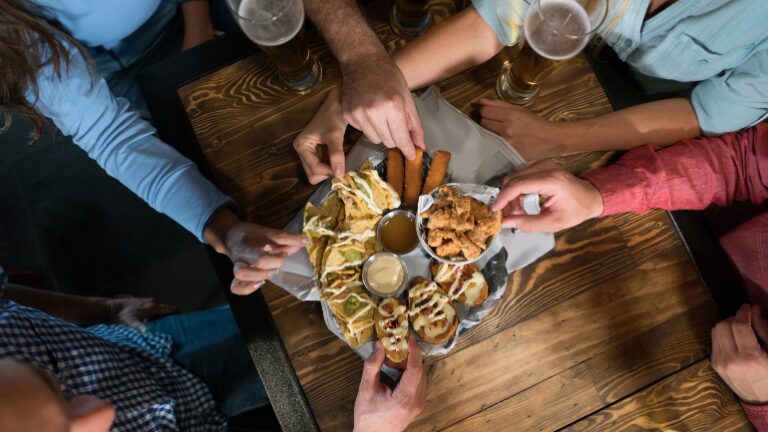
✔︎ Tip: offer appetizers or tapas to share.

✔︎ Recommended equipment: serving plates, bowls, fry baskets.

Choose the right glasses for each beverage

A well-chosen glass = a better-selling drink. The shape of the glass influences presentation, temperature and taste perception. Therefore, choosing the right glasses is essential to enhance drinks and offer a personalized customer experience. At Pilsa we offer a wide range adapted to each use. These are the essential elements:

✔︎ Beer glasses. Pint, half pint, jug with or without handle: each size adapts to the beer style (blonde, IPA, brown, etc.). They guarantee good foam retention and a comfortable grip.

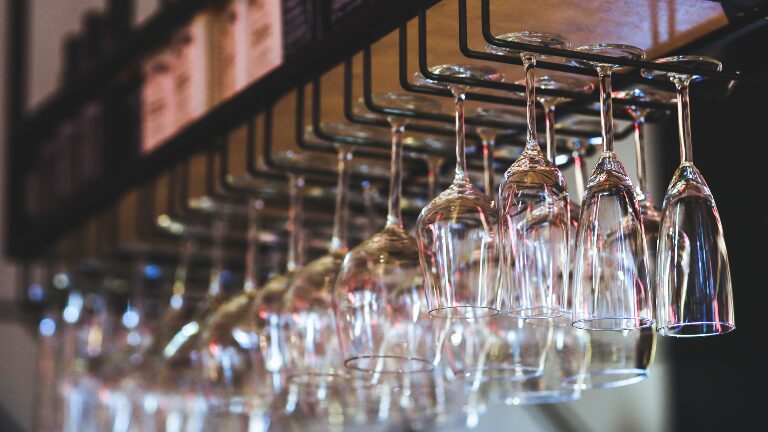
✔︎ Wine glasses. Balloon or tulip: these stemmed glasses are designed to promote oxygenation and release aromas, while ensuring a professional tasting experience.

✔︎ Cocktail glasses: old fashioned, tumbler, martini glass… Each cocktail has its specific glass, essential to enhance the presentation and respect the proportions.

✔︎ Cups for soft drinks and sodas. Tall glasses, stackable glasses: practical and resistant, they allow a fast service at peak hours.

Our advice: choose several references to satisfy all desires… and appeal to all profiles.

Opt for professional, reliable and practical bar equipment.

The right tools make all the difference in service, especially during peak hours. For smooth and efficient service during happy hour, equip yourself with the essentials:

✔︎ Shakers: for successful cocktails, the shaker guarantees a good mix.

✔︎ Dispensers: Dispensers enable fast, accurate and economical service.

✔︎ Ice buckets and refrigerated containers: these keep beverages cool throughout service, while facilitating access and speed of execution.

✔︎ Serving utensils: spoons, strainers, mortars… Indispensable accessories to improve efficiency and enhance your preparations.

Creates an environment conducive to consumption

The ambience is as important as the offer. A well-designed space encourages enthusiasm, interaction… and sales. To improve your happy hour offer and attract your customers, think about the details.

Some keys to create the right scene:

✔︎ Warm lighting: creates a welcoming space from the moment you enter.

✔︎ Clear and attractive signage: to highlight your Happy Hour offers.

✔︎ Stylish consumables: straws, stirrers, napkins, customizable coasters … it’s the details that stand out.

✔︎ Cozy furniture: high tables, bar stools, high tables to encourage conversation.

Pilsa helps you turn happy hour into a profitable moment

Happy hours represent a fantastic opportunity to increase your turnover, strengthen your establishment’s hospitality and build customer loyalty. With the right equipment, meticulous staging and a few best practices, you have all the keys to turn this moment into something strategic.

Thanks to pilsa.com, you can purchase reliable and durable equipment, designed especially for professionals. From cocktail glasses to ice buckets and barware, we help you make every service a success!

What are the different possible formats for dessert dishes?

For a memorable ending, offer your customers beautifully presented desserts in elegant and light dishes. With their creative flavors and variety of colors and textures, desserts lend themselves to innovative presentations.

Rectangular, irregular, square, oval plates… Discover all the possibilities available!

Opt for the modern elegance of a rectangular or square plate

For a change from the typical round dessert plate, you can opt for the more modern lines of flat rectangular plates. Their elongated shape enhances any dessert: a triangular slice of cake, a round flan with a touch of coulis, three ramekins…. On the base of a rectangular plate, you can create an asymmetrical presentation, with the dessert on one side and the rest of the plate decorated with chocolate chips, fruit or coulis. Your customers’ eyes will sparkle before they even taste the dessert!

Thanks to its large bowl, the flat square plate also allows for this type of creative presentation. You can place the dessert in one corner and decorate the plate in the other three corners. These corner plates add air to the presentation and enhance the structure of the dessert. You can let the layers of a mille-feuille show through or let the melted center of a chocolate fondant flow.

Make a statement with oval dessert plates.

Professionals who love novelty and exclusivity can also opt for oval plates for their desserts. The variety of available formats allows you to combine them with the rest of your restaurant’s tableware.

You can also opt for oval plates with pointed ends, for a look that evokes leaves and other natural shapes. Sophisticated and original, these plates enhance your round or square-shaped desserts. Oval plates can also serve as a base for an ice cream sundae or a glass bowl filled with custard or mousse. This presentation is much more elegant than an individual sundae, and your customers will certainly appreciate this detail.

Surprise your customers with irregular flat plates and original materials

Opt for triangular plates, with pointed or rounded tops, or even irregular flat plates.

There are two types:

✔︎ On the one hand, there are dishes with irregular contours, with a longer rim on one side than on the other, for example.

✔︎ In other models, the base is off-center, while the outline is oval, square or round.

To create a great surprise effect in the dessert, you can also choose dishes with original colors and patterns. At Pilsa we offer a wide range of orange, blue or green porcelain plates. You will also find models that evoke nature, with the shape of a rock or a cut tree trunk…

And don’t forget something very important! In your professional kitchen equipment, always provide sufficient and easily accessible space to properly store your dishes. Thoughtful and efficient storage saves your kitchen and service team time and prevents breakage!


If you want your customers to take away a memorable souvenir of your establishment, put the finishing touch with a dessert presented in an original way. Visit pilsa.com and discover a whole world of possibilities.

Product added to compare.