Safe, DEMONSTRATED hospitality

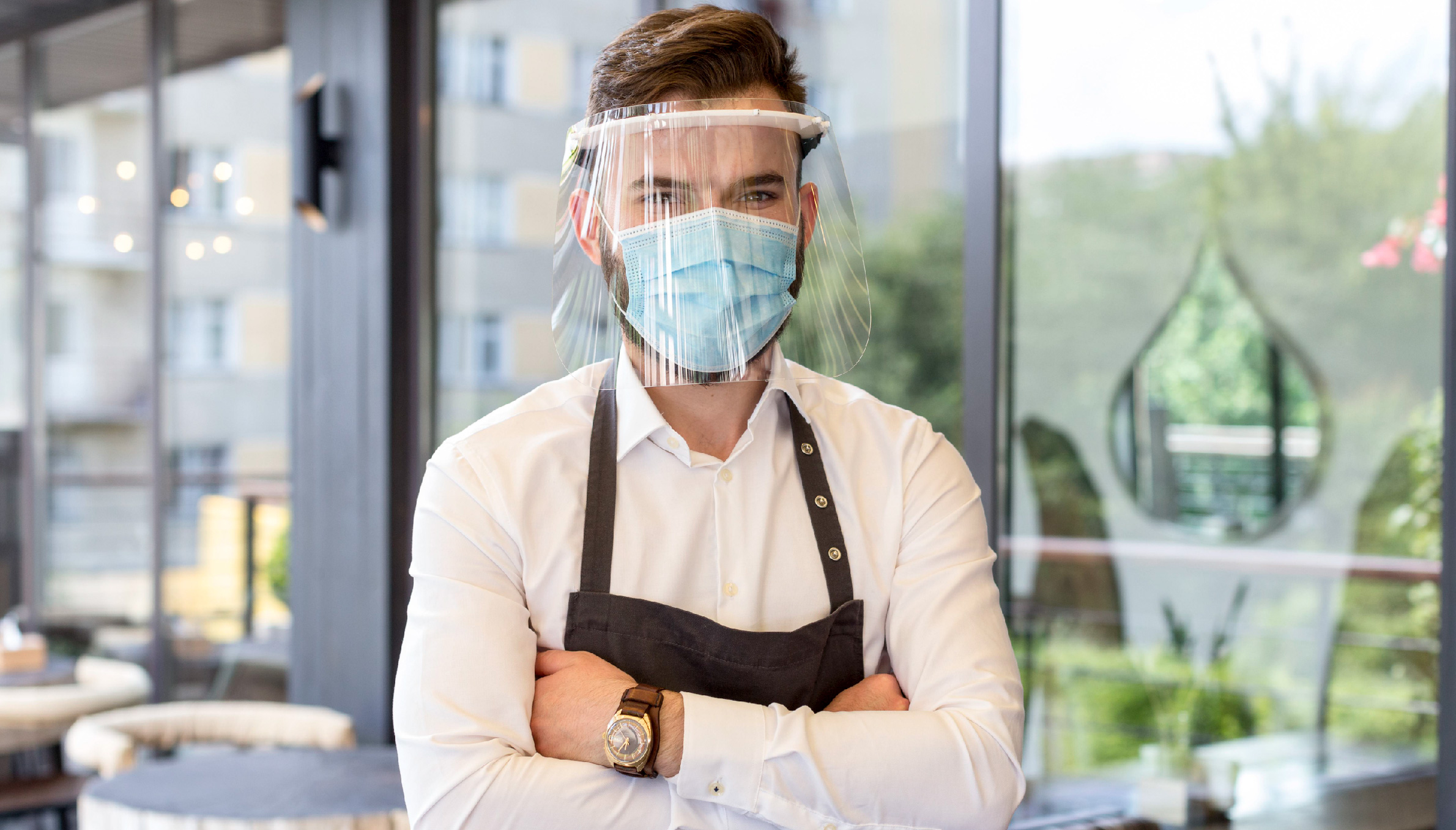
It has rained a lot since this whole Covid-19 pandemic began, and it seems that the sources of infection and how to combat them are still not clear, and the hotel and catering industry has been from the beginning one of the most targeted places. Today, we are going to tell you how the latest study carried out in Madrid shows that the hotel and catering industry is safe.

Since the beginning of the Covid-19 pandemic, the hotel and catering industry has been very much in the spotlight as it is not considered a very safe place. As a result, it has been severely affected and has put many professionals in trouble. In this year, the activity of the horeca sector has fallen between 50% and 60% compared to the previous year. This meant a decline in monetary terms of 11 billion euros.

The website profesionalhoreca.com brings us the study mentioned above, where we can see that, from the data studied, based on the number of positive cases, the activity of the sector and the age of these infections, the hospitality industry is not the root or the main focus of these infections.

The study was conducted during the month of January, based on what happened this Christmas in the hospitality industry in Madrid, and has revealed data that will be of great interest to everyone.

On the one hand, we find the data regarding the activity of the horeca sector during this Christmas season, which decreased by 22%. This was mainly due to the fact that people have preferred to meet more in the private sphere.

On the other hand, we established an association between the age of the main infected age and the age of the main client of these restaurants. The majority of infections occurred among young people between 15 and 27 years of age, who represent only 10% of restaurant customers.

It is also worth noting that, as part of the study, a series of surveys were carried out on the diners’ sense of security. Eighty-three percent of the diners felt safe, and it is worth noting that they thought they would continue to go to restaurants between 1 and 2 times a week on average.

Finally, it is worth mentioning a data from the Ministry of Health about the infection in the hotel and catering industry, which in October placed the figure at 3.5% of the cases of coronavirus.

From Yelow we want to send all our support and confidence to the hospitality sector, because for us the hospitality industry is safe. We also want to inform that we are doing everything in our power to improve the hospitality situation. Soon we will launch a new category in the store called ”Hygiene and protection” so that everyone can enjoy a good meal safely.

If you are interested in getting more information about our new products and offers, subscribe to our newsletter. You can also visit us physically in Parque Alban de Armilla, you can take a look at our social networks, Instagram and Facebook. Finally, to contact us, you can send us an email info@yelow.es or call 958 122 543.
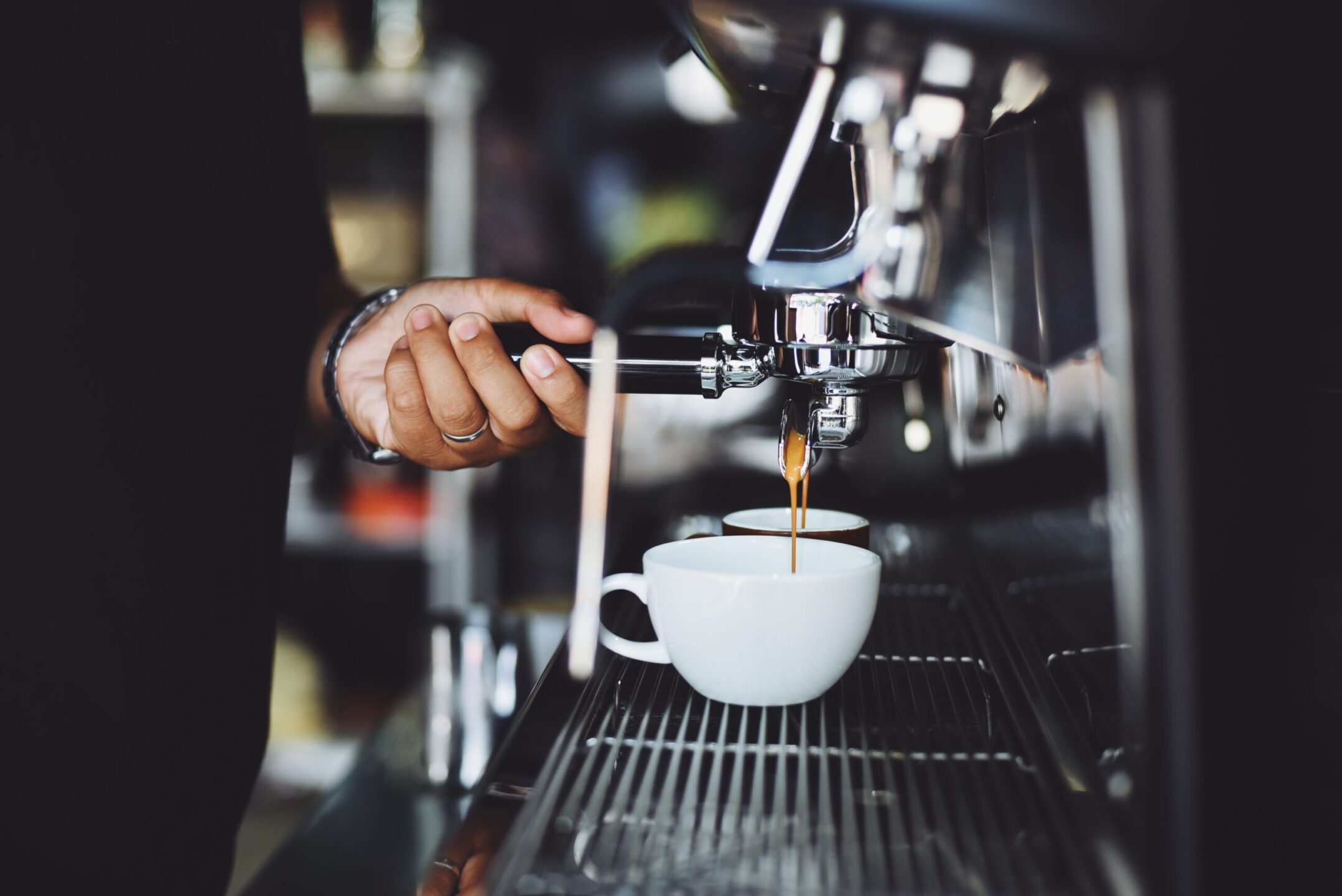
New vs. second hand catering machinery

Are you thinking of starting a new business or changing and giving a new look to the one you have? It is at this point that the typical question arises: What to do with the machinery – buy new or second-hand?

In this article we offer you 5 keys to decide whether to buy new or used machinery.

Machinery warranties.

New products have a minimum warranty of 2 years. This allows you to maintain security when using it, because if any problem arises with the machine, you have a technical service behind you to solve it.

This is not the case with second-hand machines. They do not have a real warranty that covers repairs to the machine. So you may have to spend what you originally saved by buying a second-hand machine on repairs. It may also happen that the machinery is older than you think and has a shorter life than expected.

Technical service.

Once you have acquired any new machinery, you have a commercial company behind you that, in most cases, is in charge of training you in the use of the new machine, offers you a technical service and takes care of its maintenance.

If you decide to purchase second-hand machinery, it is usual that you do not have the necessary technical service to start up the machinery with guarantees.

yelow machinery

Technology.

If you buy a new generation machine, it will most likely have more features than older models, better energy efficiency, new cooking techniques, new functions to improve cleaning, etc.

Second-hand machinery, on the other hand, is often technologically obsolete.

Asymmetric information (Lack of information).

What criteria should we follow when buying second-hand machinery? To take our word for it from the seller and think that the machine has not suffered any breakdowns? Or how long the machine has been in use? At first glance, a second-hand machine we will not be able to tell if it is good or bad.

Economic savings.

This is the point where the acquisition of second-hand machinery stands out. Buying new equipment can be expensive, and it is obvious that the cost of a second-hand machine will be lower.

Product catalog.

It is more usual to find a new product or machinery at your trusted machinery supplier than to have to go to the second hand market, having to wait for the machine we want to buy, at the price we are willing to pay and with the determined time of use.

Remember that within the Yelow catalog you can find everything you need to open or renovate your hospitality business.

After these arguments for and against buying second-hand machinery, what do you prefer, do you prefer to have your machinery refurbished or to buy it second-hand?

Leave us your comments.

Tips to be an ‘ecofriendly’ restaurant

Investing in sustainability is proven to have a positive impact on the environment – and your pocketbook – in many different ways.

On the one hand, more and more customers are looking for restaurants that share their values and choose restaurants where the food, in addition to being healthy, is also sustainable.

On the other hand, there are efficient appliances that contribute to reduce the environmental impact, in addition to considerably reducing your bill at the end of the month.

We thought it would be interesting for you to find out what steps you can take to make your restaurant more sustainable, while at the same time generating value for your company and differentiating yourself from your competition:

Caring for the environment is everyone’s responsibility / Unplash

1 / Starting from scratch: eco-design or sustainable architecture

If you are starting to design your restaurant, you should know that there are many systems developed to reduce your environmental impact.

You can implement a lighting system that is designed to optimize efficiency,install faucets with motion sensors that reduce water waste, decorate with furniture made from recycled materials or install photovoltaic solar panels that favor the use of renewable energy, among other systems.

2 / Investing in efficient appliances

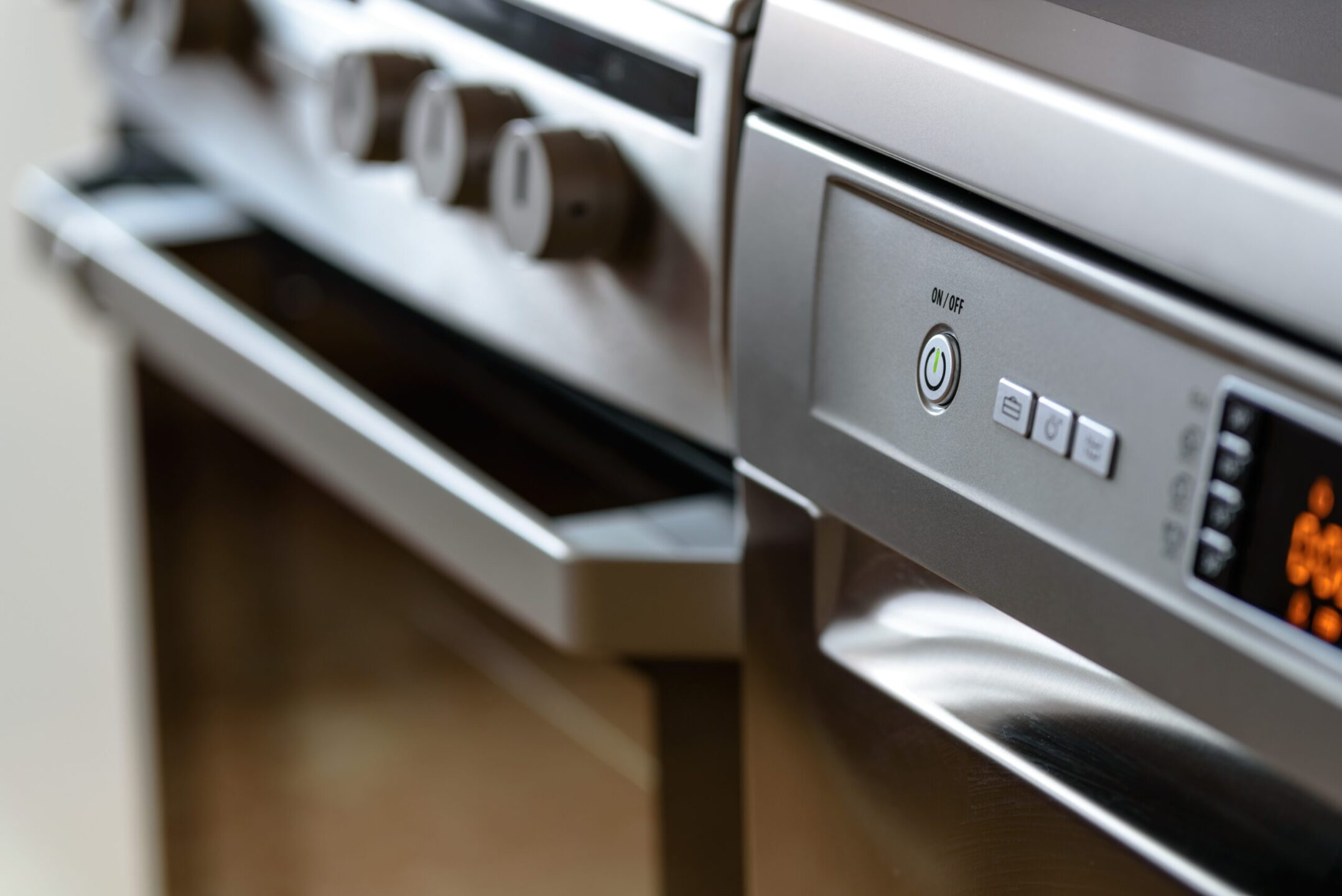
Ovens, dishwashers, air conditioning… Restaurants need many electrical appliances for their daily operation.

In YELOW we have it very clear because we distribute kitchen machinery and equipment with energy efficiency certifications that help our customers that help our customers to reduce their consumption and, consequently, their electricity bill.

Using local and seasonal products is another way to cook more responsibly / Unplash.

3 / Don’t throw away, reinvent recipes

Before throwing food away, think about what you could invent with it. It is not a question of using outdated products, but to revive the cooking of our grandmothers, when with a stew, they ate three days.

Another option would be to donate your leftover food to organizations that work with people without means, such as soup kitchens and homeless shelters.

4 / Promotes responsible consumption

It creates menus that are aware of the overexploitation of resources, works with suggestions, seasonal products and KM.0 that motivate responsible consumption of our food, favor the reduction of aggressive cultivation and stimulate local business.

5 / Paper is OUT

Printing menus, minutes and suggestion cards generate a constant waste of paper that you can easily reduce through digital letters.

Whiteboards are a more analog method, but equally sustainable and ideal for going paperless in your restaurant.

6 / Use sustainable products

It uses napkins and take-away containers made from recycled materials, biodegradable kitchenware and eco-friendly dishwashers, among other products, to promote more socially and environmentally friendly consumption and significantly reduce the environmental damage caused by waste.

7 / Chemical free cleaning

At Yelow we help your hospitality business work more efficiently and sustainably. Get to know the ‘Ecoworld’ solutionan ozonation system for kitchen cleaning and washing of food products 100% free of polluting chemicals.

Now that we’ve explained some of the steps your restaurant can take to become more sustainable, download our catalog and contact our consulting team to help you in everything you need.

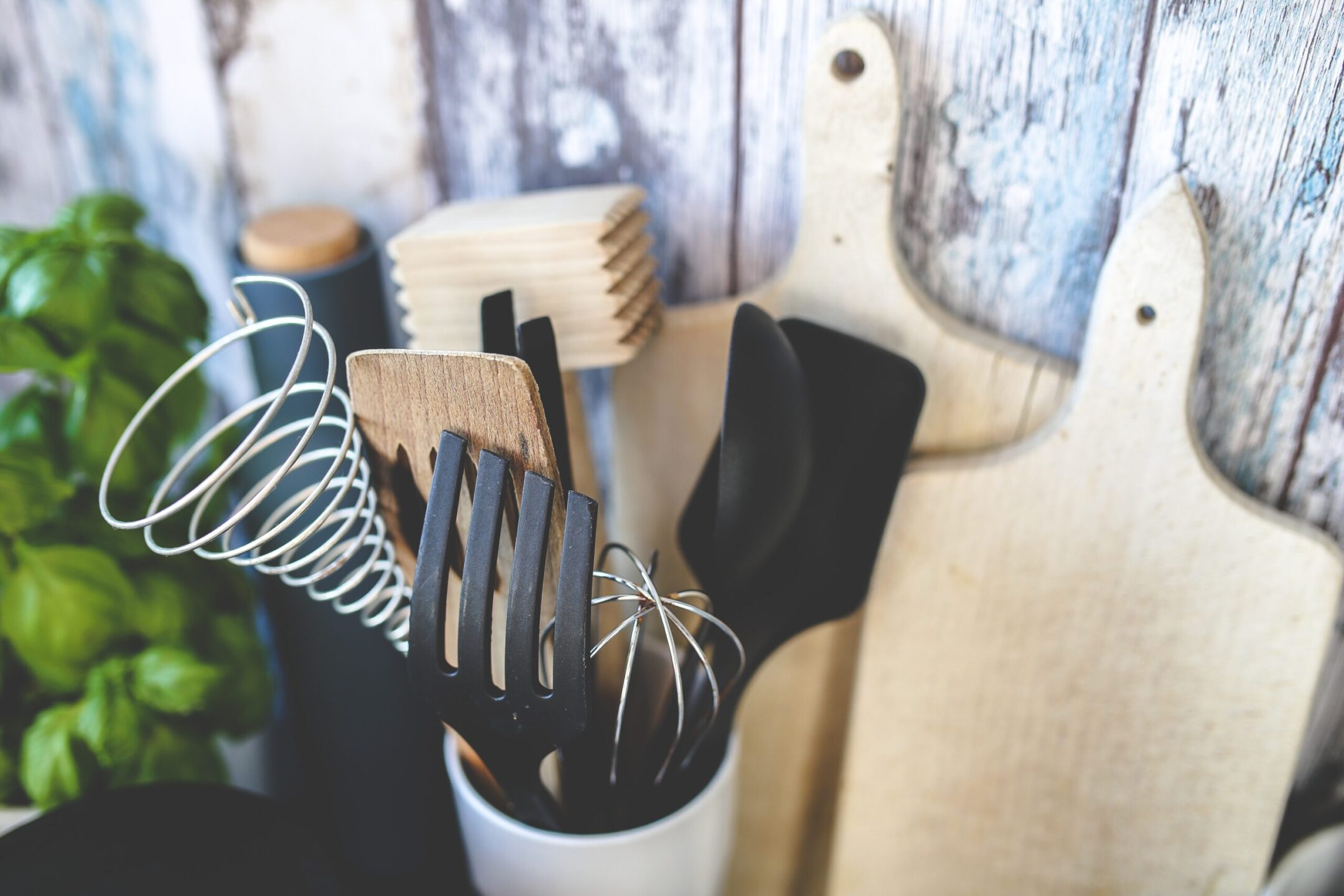
Silicone, stainless steel, wood… Discover the best (and healthiest) kitchen utensils

Wooden, clay, steel, glass… From the forbidden copper to the modern silicone. The history of our stoves is extensive and we have been acquiring and discarding all kinds of materials for the manufacture of our kitchenware.

Here we tell you which are the best materials for cooking:

Wood: the usual

Wood is a porous material that can seep moisture and cause bacteria to grow, which has earned it a reputation for being unhygienic, but depending on what utensil and what you use it for, it can be a very appropriate material. Spoons (for example) protect our pans and have a lower risk of generating these bacteria.

For domestic use, we suggest bamboo, which is prepared to withstand high temperatures and is very resistant.

Glass: clean and stable

Who hasn’t baked (or microwaved) macaroni in the typical glass tupperware?

It is ideal for the oven because it withstands very high temperatures. It is a clean material that does not transfer flavors or other elements of its composition to the food, which makes it one of the healthiest materials for cooking.

Stainless steel: harder than steel

Every professional kitchen is (or should be) covered with stainless steel. Work tables, cold rooms, baking plates…

Stainless steel is one of the most heat-stable materials and more resistant to shocks and falls, which makes it practically eternal. In addition, it is easy to clean, just hot water and a little detergent. However, do not go near a frying pan because steel utensils irreversibly scratch Teflon.

Silicone: the jewel in the crown

It is the ideal material. It is of natural origin and has many hygienic qualities, making it ideal for domestic and professional use.

Among its many advantages:

  • Non-porous
  • It is comfortably flexible (remember that cake pan that unmolds so easily).
  • Non-adherent, less soiling and better cleaning.
  • And it doesn’t burn! A few seconds after being in contact with a heat source, the silicone cools down and we can touch it without risk of burns. Perfect if you have children at home.

Cast iron: those pots that weigh so much

Cast iron pots and pans have taken over our homes in recent years. They come in many colors and sizes, so it is easy to see them in mini format to put tapas or individual portions.

It is a good material because it does not contain glazes, which avoids the risk of transferring harmful elements to the food.

And finally, the mud

They are very popular because they transmit heat slowly. They like them because they transmit heat little by little, but make sure that they are not enameled because the varnish could contain heavy metals that can pass into the food.

In this post we have summarized the most used materials in kitchen utensils, choosing the one that best suits your needs is up to you.

We will (always) recommend that you choose trusted brands with EU Quality Certification, which accredit the quality and origin of the materials, such as those we distribute at Yelow.

Take a look at our catalog, you will surely find what you need. And if you have any doubts, contact us without obligation.

Ecoworld System. Saving and environmental care. Breakfast presentation.

Did you miss the event where we presented the advantages of the Ecoworld system?

If you were unable to attend, read on and we’ll tell you all about it.

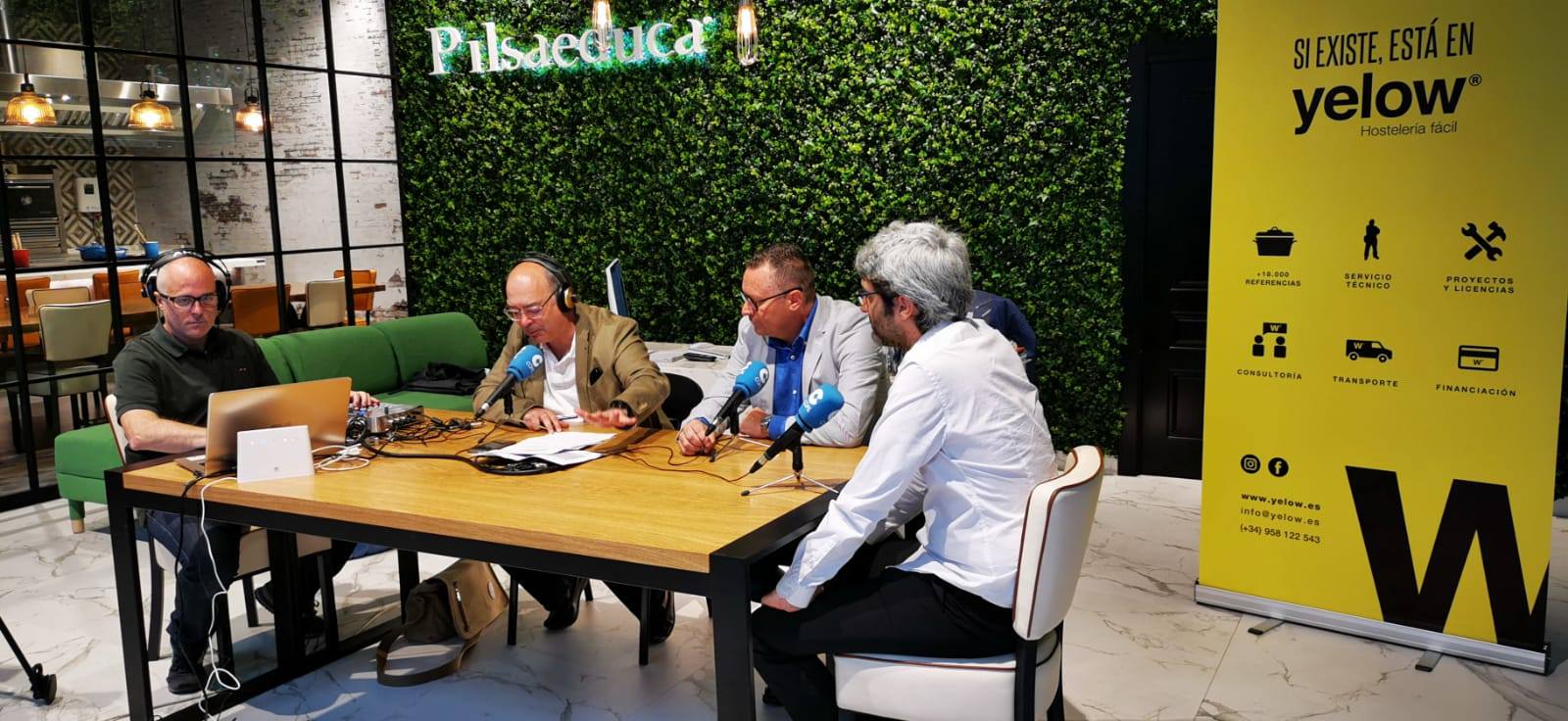
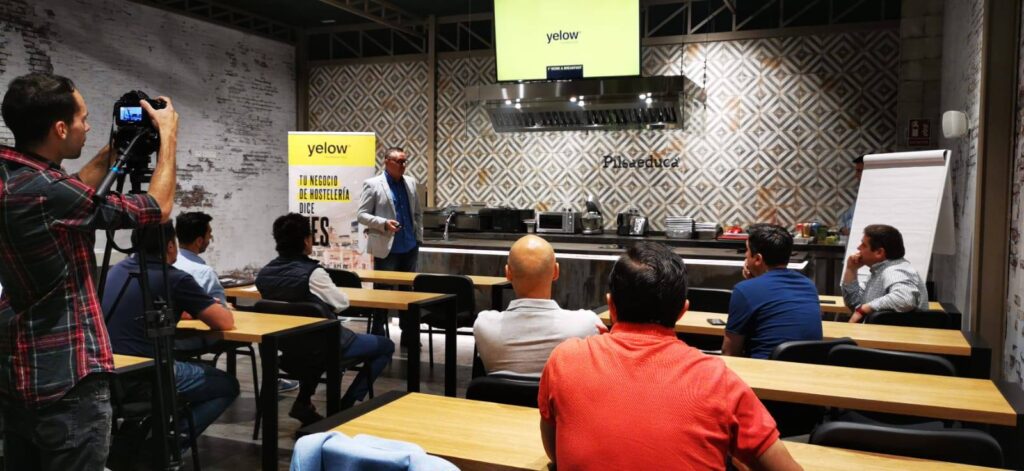
From Yelow, and at Pilsa Educa’s facilities, we organized a small breakfast demonstration of how the Ecoworld system can benefit your kitchen and your pocket.

We invited to the event several managers of the hospitality industry in Granada, on the one hand, those who already have the Ecoworld system installed so that they could testify the benefits that it brought them and on the other hand, those interested in this new water ozonation system.

We also invited several media outlets so that they could give testimony of what you wanted to tell.

Beginning of the breakfast presentation

Ecoworld and yelowOur manager, Miguel Ángel López, welcomed the attendees to this breakfast demonstration by presenting the concept of easy hospitality. How we intend to reach all restaurateurs in the easiest way possible. Putting our Cash and Carry with more than 17000 references in stock at the disposal of small and big restaurateurs.
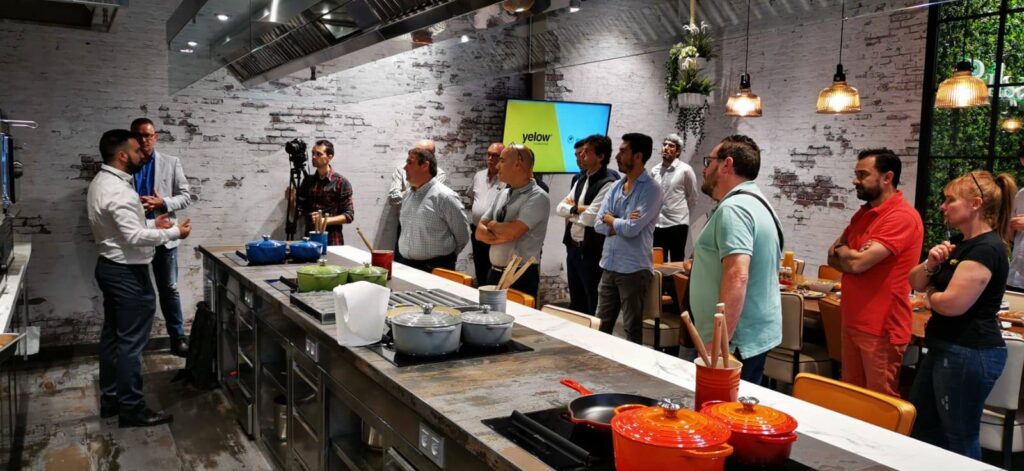
He also tells us how in our beginnings we were only dedicated to the installation of kitchens and machinery, but we have undergone an evolution offering 360 solutions to those restaurateurs who need a complete advice for their business.

Within this advice we must name Pilsa Educa, our company dedicated to training in hospitality, essential to continue improving and innovating in the kitchens.

But well, you already know us well enough, let’s get to the heart of the event, the Ecoworld system.

What is the Ecoworld system?

The Ecoworld system is a machine that converts water into liquid ozone. Ozone is the most important ecological disinfectant that exists. We know that it is capable of disinfecting up to 99.6% of all bacteria.

Thanks to ozone, we would avoid the use of chemical products, which are so harmful to the environment.

In addition, it is estimated that the average expenditure on chemicals in the hospitality industry is around €3,000. Imagine saving that €3,000 year after year, and on top of that, helping the environment by being more sustainable.

We cannot forget the other advantages of the Ecoworld system. On the one hand, food preservation. Did you know that washing food with ozone can extend its shelf life up to 5 days longer than usual?

And on the other hand, the health of your employees. The use of gloves will no longer be necessary

that ozone does not harm the skin, in fact it helps to keep it healthy.

And how can I apply all these advantages to my business?

We have customized solutions for each case. We bring the ozone to your business so you can see in situ the advantages we offer, making a pre-installation and demonstration of how it works.

ecoworld demoAnd as an example, we took our guests to the part where Pilsa Educa has installed the Ecoworld machine and we demonstrated how to clean an extractor grill with the Ecoworld system. Here are some before and after photos.
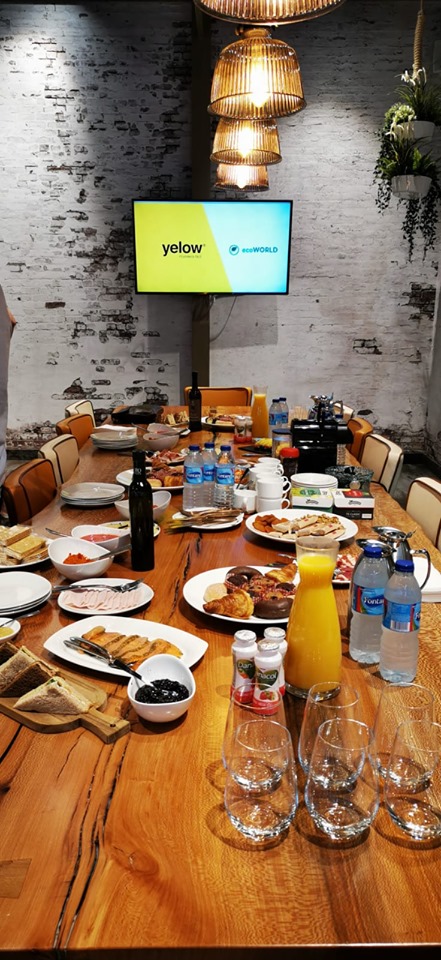
And to top it all off, we enjoyed this great breakfast prepared by Carlos Caballero Sanguino, our great chef from Pilsa Educa.

All this, broadcasted from our facilities by the radio program COPE Granada. Here you have the link to enjoy it:

https://www.ivoox.com/programa-especial-cope-yelow-audios-mp3_rf_36464789_1.html

We would like to thank all the hospitality professionals who joined us that day, Pilsa Educa for lending us their facilities and serving us that great breakfast, Ecoworld’s colleagues for the demonstration, the communication professionals who joined us in the event and especially our customers for sharing their experience.

Do you find this interesting?

If you would like to know more, leave us your details here and we will contact you to give you the information you need.

Product added to compare.