How to care for cutlery correctly: tips to extend its life
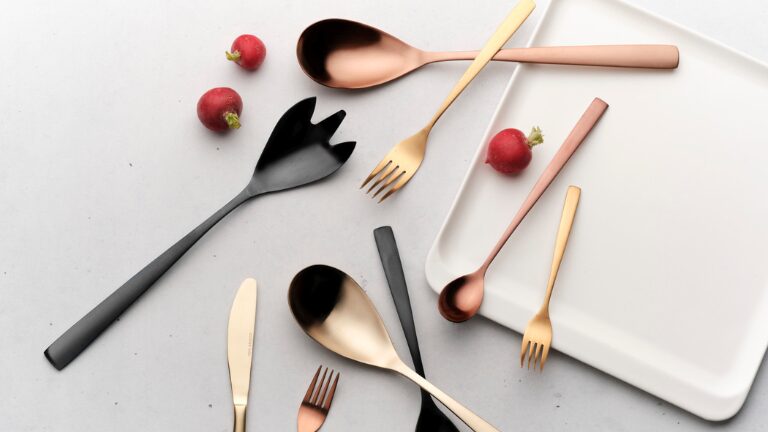
In the hospitality industry, cutlery is much more than functional utensils: it is an essential part of the customer experience. Their shine, cleanliness and condition convey professionalism, hygiene and attention to detail. Therefore, keeping them in perfect condition is a direct investment in the image of the establishment.

Here is a practical guide with key recommendations to ensure proper cleaning and maintenance of your professional cutlery.

Initial cleaning and after each service

Before the first use, it is important to wash the cutlery to remove any manufacturing or handling residues.
After each service, remove coarse food residues as soon as possible. Leaving residues for too long can cause stains or damage the finish, even on stainless steel.

Correct use of the dishwasher

For an effective wash, place the cutlery in the dishwasher without clumping: a loose arrangement allows the water to reach all surfaces.
Always use a mild detergent and the rinse aid recommended by the manufacturer, respecting the doses indicated. If you notice stains or discolorations, it may be due to an insufficient or excessive amount of rinse aid; adjusting the dosage usually solves the problem.

Water control and rust prevention

Be sure to keep decalcifying salt in the dishwasher, as hard water can leave residues or cause corrosion.
In any case, avoid letting salt enter the rinse cycle: a high concentration can damage the cutlery.
Also, do not mix rusty iron or steel objects with stainless steel cutlery, as they may transfer rust particles. If this happens, the stains can be easily removed with a specific stainless steel care product.

Drying and subsequent handling

For a streak-free finish, the cutlery should be completely dry at the end of the wash cycle.
Ideally, remove the cutlery at the end of the program. If this is not possible, leave the dishwasher door ajar for a few minutes to allow steam to escape and prevent condensation.
If necessary, dry by hand with a soft cloth, especially the knife blades.

What “dishwasher safe” really means

The term “dishwasher safe” indicates that the cutlery can withstand a certain number of wash cycles without damage, but there is no standard for a minimum number of washes. Therefore, even high-quality products require regular care to maintain their appearance and performance over the long term.

In a nutshell

The durability of your cutlery depends on both its quality and the care it receives. By following these recommendations, you will be able to keep your cutlery impeccable, preserve its shine and guarantee a table experience at the height of the best gastronomy.

Visit pilsa.com and discover solutions designed to optimize the hygiene, presentation and durability of your hospitality equipment.

Professional fryers for your restaurant

In the catering universe, from traditional restaurants to food-trucks or catering services, the professional fryer is a central element: it is the key to offer crispy, golden fried food of consistent quality. Properly equipping this type of appliance is essential to ensure smooth service and a satisfying experience for your customers.

Why choose a professional fryer?

A good fryer allows you to cook quickly and accurately, maximizing performance in times of high demand. Moreover, being designed for intensive use, it offers superior durability and complies with the hygiene and safety standards required in a professional environment.

What criteria should be taken into account for the selection?

Power type: electric or gas. Electric fryers are noted for their precise temperature control and ease of installation, while gas fryers offer higher power and are often well suited to high volume services.

Cuve (vat) capacity: depends on the volume you expect to produce. The higher the volume, the higher the capacity and power of the unit must be to maintain an optimum temperature even in intensive service.

Cold zone”: this technology allows frying residues to be deposited in the lower part of the tank without overcooking, extending the oil’s shelf life and improving the quality of the fried food.

Safety and ergonomics: pay attention to safety systems such as cold wall, safety thermostat, drain valves, stainless steel design, etc.

Type of installation: table-top or cabinet (“chest”) fryer. Table-top fryers are more compact and suitable for small spaces; cabinet fryers offer greater autonomy and production capacity.

Other characteristics to be taken into account

When choosing your professional fryer, don’t hesitate to also look for certain specific features depending on your situation and the results you want to achieve:

The presence of a drain tap: it allows to maintain the fryer quickly and to drain the oil in an instant.

Automatic oil filtering: this method allows frying several foods in a row, such as doughnuts and French fries, to limit energy consumption. The risk of flavors or odors being transferred from one food to another is avoided. It is also a recommended option for healthier cooking.

The choice of a bulb thermostat ensures extremely precise temperature control. Note that the double safety thermostat automatically shuts off in case of insufficient oil level.

In a nutshell

To select the right professional fryer, start by defining the hourly production you expect, whether you will use oil for fresh or frozen frying, whether you prefer electric or gas, and the space available on your cooking line. Then, consider the other factors (capacity, cold zone, ergonomics, safety) to make the smartest choice.

In Pilsa we have a wide selection of professional fryers. For more info and budget, you can contact us here.

How to properly maintain cleanliness in a professional kitchen

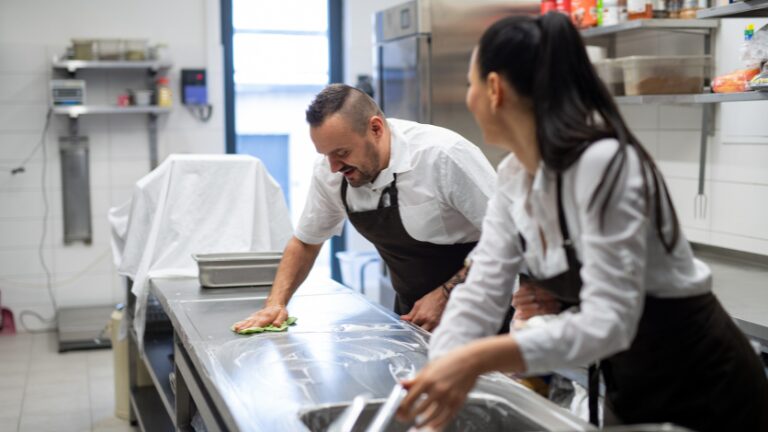
Respecting hygiene standards is essential in a professional kitchen; it is an integral part of the quality of the dishes served. In addition, a clean kitchen will help you pass health inspections with confidence. To ensure proper cleanliness, it is crucial to use professional-grade cleaning products.

5 steps to keeping your kitchen clean

Disinfect surfaces
During service, work surfaces tend to accumulate grease, which promotes the growth of bacteria. It is therefore necessary to disinfect them regularly. You can use a no-rinse disinfectant spray that allows you to clean both surfaces and utensils efficiently.

Mopping floors
In the intense activity of the kitchen, food and liquids can fall on the floor and leave residues. It is therefore important to clean the floors with a suitable product, for example after every service, using a specific cleaner.

Degrease grills and ovens
Cleaning ovens and other cooking equipment is essential to remove grease deposits that form during cooking, as they can turn into harmful residues. For this task, use appropriate degreasers designed for professional use.

Washing the dishes
This step may seem obvious, but it may not be done correctly and customers may find themselves with poorly washed utensils due to not using the right product. At Pilsa we have dishwashing products adapted to your cleaning style.

Clean the waste bins
Waste bin maintenance is often overlooked, but it is essential to clean them regularly to prevent unpleasant odors and bacteria buildup. This cleaning should always be done outside the kitchen area using disinfectant products.

Beyond these steps, there are other key principles to consider for maintaining a professional kitchen. Avoid using the same cleaning products for stainless steel, wood, and plastic equipment. It is also vital that staff follow hygiene rules such as proper handwashing. Lastly, make sure the kitchen remains free of pests — and if necessary, use insecticides in compliance with safety regulations to prevent contamination.

Kitchen design: an essential element for proper maintenance

To facilitate cleaning and ensure compliance with hygiene standards for professionals, it’s important that the kitchen is well organized. A well-designed kitchen layout and properly selected equipment make maintenance much easier.

It’s advisable to prioritize accessibility to all surfaces and floors, install effective ventilation systems, and use high-quality, easy-to-clean kitchen equipment rather than focusing solely on the aesthetic aspects of the space. This approach helps preserve cleanliness and maintain your kitchen and its equipment in good condition for longer.

Hygiene in a professional kitchen is essential; remember that European regulations govern compliance in this area. Based on these standards, you can develop your own professional cleaning protocol, including cleaning and disinfection routines, as well as the appropriate products and maintenance techniques to use.

Product added to compare.